AI and Intuition: Field Insights


Understanding the Intersection of AI and Intuition
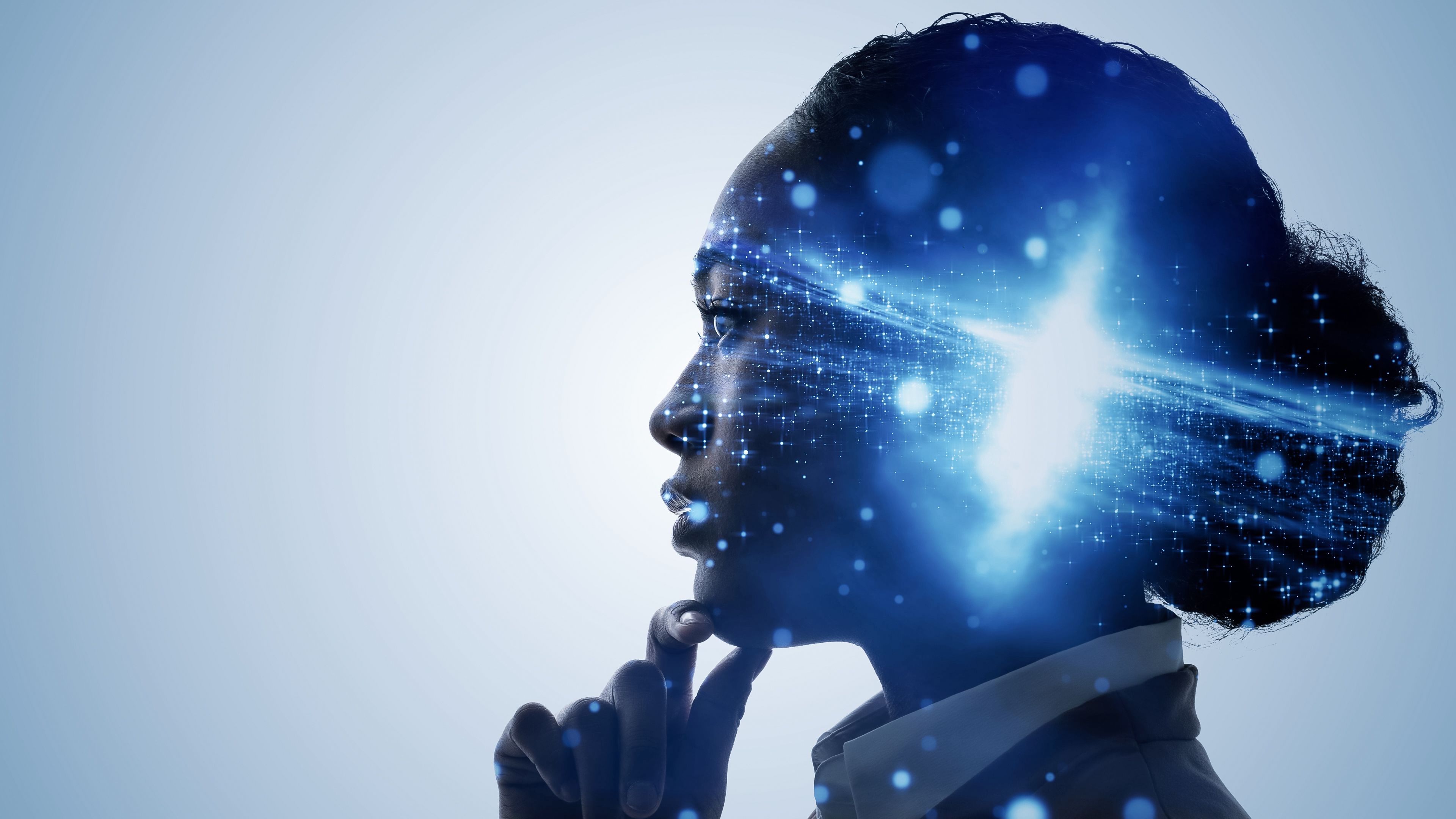
The evolving relationship between artificial intelligence (AI) and human intuition is reshaping how we approach problem-solving and decision-making. While AI excels in processing vast amounts of data quickly, intuition offers a unique, instinctual perspective that machines cannot replicate. This synergy can lead to innovative solutions and enhanced decision-making processes.
The Role of AI in Decision-Making
AI has become a critical tool in decision-making across various sectors. Its ability to analyze data at unprecedented speeds allows businesses to make informed decisions. AI can identify patterns and trends that might be invisible to the human eye, providing a data-driven foundation for strategic choices.
For example, in finance, AI algorithms can predict market trends by analyzing historical data, enabling investors to make informed decisions swiftly. In healthcare, AI aids in diagnosing diseases by evaluating medical records and imaging data, offering insights that complement a doctor's intuition.
Intuition: The Human Edge
Human intuition is often described as the ability to understand something instinctively, without the need for conscious reasoning. It plays a vital role in areas where emotional intelligence and empathy are crucial. Intuition allows individuals to make decisions based on experience, gut feelings, and contextual understanding.

This intuitive edge is particularly significant in leadership and creative fields, where nuanced understanding and personal judgment are necessary. Leaders often rely on intuition to make decisions that involve complex human dynamics and unpredictable variables.
Combining AI and Intuition for Better Outcomes
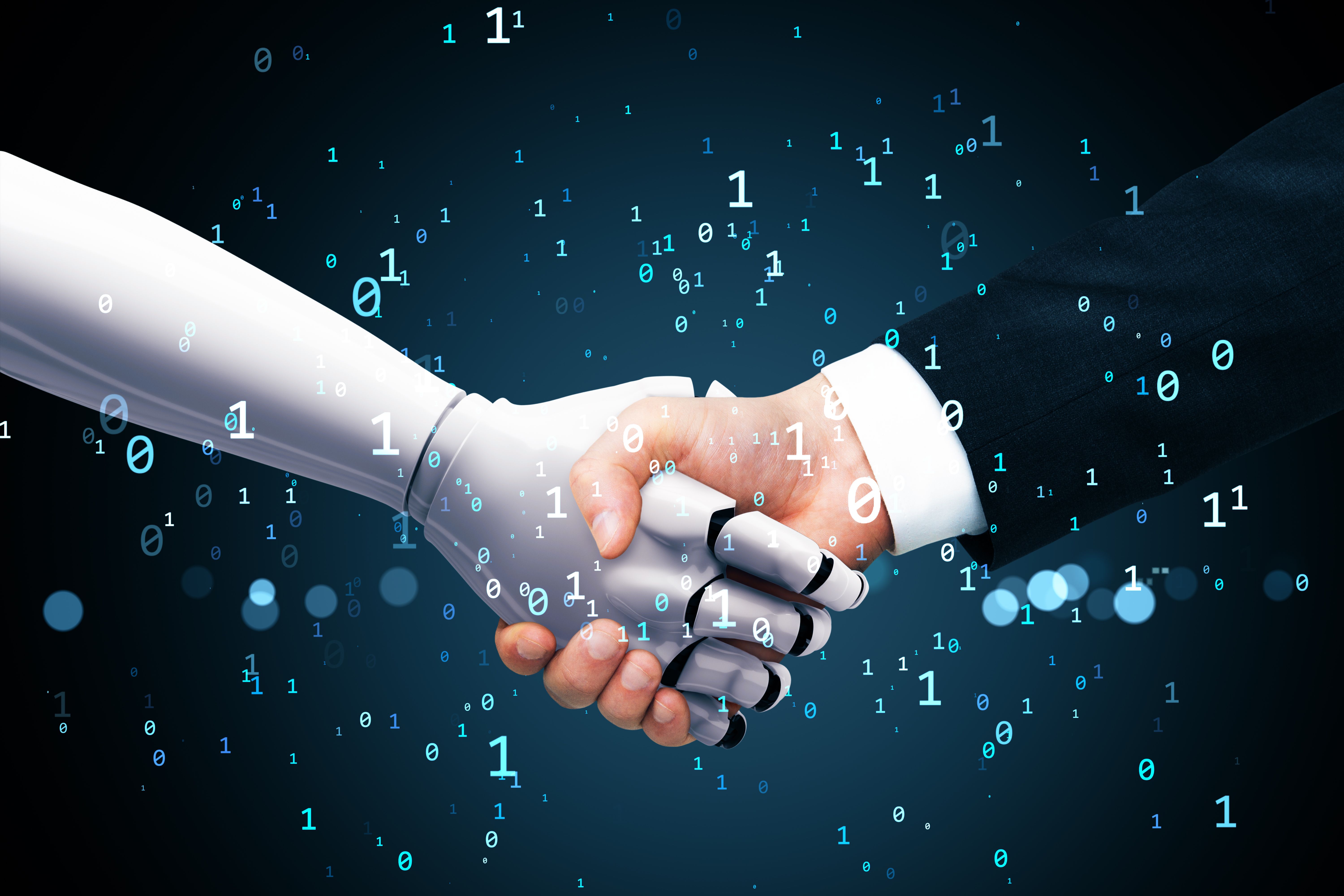
The integration of AI and human intuition holds the potential to enhance decision-making processes. By combining data-driven insights with instinctual understanding, organizations can achieve a more balanced and comprehensive approach.
Here are some ways AI and intuition can be combined effectively:
- Data Enrichment: Use AI to gather and analyze data, while intuition helps interpret results in the context of human experiences.
- Creative Problem Solving: AI can generate multiple solutions, and intuition can guide the selection of the most suitable one.
- Risk Management: AI assesses potential risks based on historical data, while intuition evaluates unforeseen variables.
Real-World Applications
Several industries are already benefiting from the fusion of AI and intuition. In marketing, AI analyzes consumer behavior, while marketers use intuition to craft compelling narratives that resonate emotionally with audiences.
In the legal field, AI tools assist in examining case law and predicting outcomes, while lawyers apply their intuitive judgment to navigate complex legal arguments and negotiations.
Challenges and Considerations
While the combination of AI and intuition is powerful, it is not without challenges. Ensuring data accuracy and addressing biases in AI systems are crucial. Additionally, fostering an environment where intuition is valued alongside technology is essential for achieving the best outcomes.
Organizations must invest in training and development to help employees understand and leverage AI tools while respecting the irreplaceable value of human intuition.
The Future of AI and Intuition
As AI technology continues to advance, its integration with human intuition will only grow more profound. The future promises a world where technology and instinct work hand-in-hand, driving innovation and enabling more informed, empathetic decision-making.
Ultimately, embracing both AI and intuition will pave the way for a future where technology enhances human capabilities, rather than replacing them.